
How Much Weight Do You Need to Lose to Reduce Knee Pain?
If you’ve ever felt that sharp "ouchness" when climbing the stairs or noticed a literal "crunch" when you stand up, you’re not alone. At 51, I realized my knees were sending me a loud message: "Help us out, Bestie!" If you’re dealing with knee pain like I am (especially from cartilage wear, arthritis, or years of extra pressure on your joints), here’s the encouraging truth:
You don’t need massive weight loss to feel real relief.
Even small, consistent changes can noticeably reduce pain, stiffness, and inflammation.
The "1-to-4" Rule
Here is the most mind-blowing fact I learned when I started this journey: For every 1 pound of weight you lose, you remove 4 pounds of pressure from your knee joints.
Think about that. If you lose just 10 pounds, your knees feel like you’ve offloaded 40 pounds of stress. Your knees carry far more than just your body weight.
So:
Lose 5 pounds → ~20 pounds less pressure on your knees
Lose 10 pounds → ~40 pounds less pressure
Lose 20 pounds → ~80 pounds less pressure
That’s thousands of pounds of reduced stress over the course of a single day of walking. This is why many people feel improvement before they reach their “goal weight.”
How Much Weight Typically Makes a Difference?
While everyone’s body is different, research and clinical experience consistently show just 5–10% of your body weight can significantly reduce knee pain.
Examples:
If you weigh 200 lbs → losing 10–20 lbs
If you weigh 180 lbs → losing 9–18 lbs
If you weigh 160 lbs → losing 8–16 lbs
That modest range is often enough to:
Reduce pain
Improve mobility
Decrease inflammation
Make stairs easier
Increase walking tolerance
You don’t have to be “thin.” You just need to lighten the load on your joints.
Why Even Small Losses Feel Big (Especially With Cartilage Damage)
If your knee cartilage is already worn down like mine, every extra pound matters more. Weight loss helps by:
Reducing joint compression
Lowering inflammatory markers in the body
Improving muscle efficiency around the knee
Making physical therapy and movement easier
It also slows further degeneration by decreasing ongoing mechanical stress. In simple terms: less weight = less grinding.
What If You Have “Bone-on-Bone” or Severe Knee Issues?
Even in advanced cases, losing weight can:
Delay knee replacement
Improve surgical outcomes if replacement becomes necessary
Reduce daily pain levels
Increase stability and confidence when walking
Many orthopedic specialists recommend weight loss as first-line treatment before considering surgery. My knee doc did! Although I had struggled to stick to a diet off and on for years, knowing that taking this one step could delay my need for knee surgery gave me the motivation I needed to stick to it!
The Sweet Spot: Aim for This First
Instead of focusing on a huge number, try this:
First milestone: 10 pounds
That alone can remove ~40 pounds of pressure from each knee.
From there:
Reassess how you feel
Notice changes in pain and mobility
Decide on your next small goal
Think progressive relief, not perfection.
Knee-Friendly Ways to Lose Weight (Without Destroying Your Joints)
Since high-impact workouts can make knee pain worse, focus on:
Low-impact movement
Walking on flat ground
Swimming or water aerobics
Stationary biking
Gentle strength training
Food-first weight loss
(especially powerful when movement is limited)
Higher protein
More veggies
Fewer ultra-processed foods
Slight calorie reduction (not starvation)
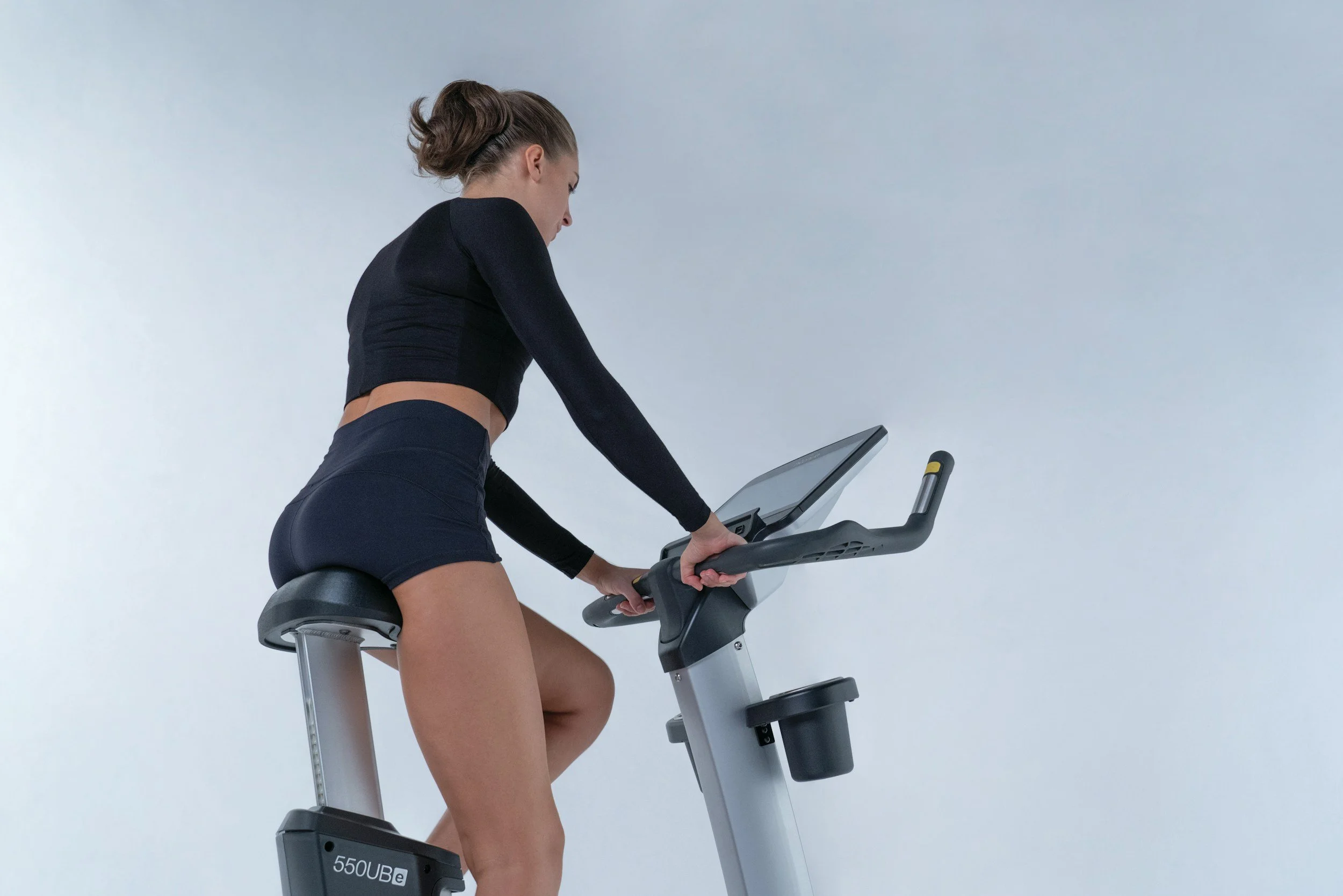
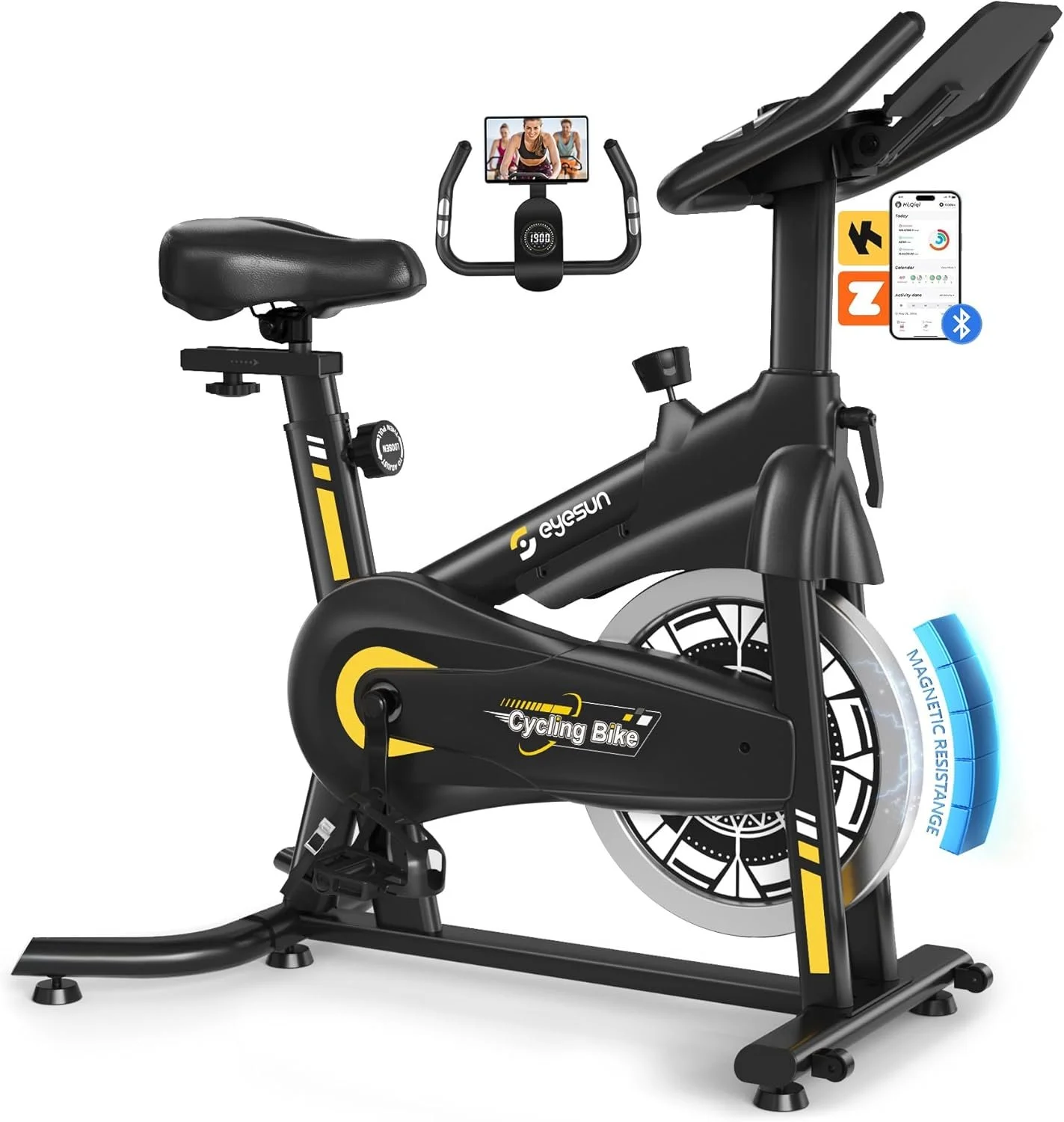
Weight loss doesn’t have to come from intense workouts — especially when your knees are already struggling. My doc recommended bicycling as the best exercise for bad knees so I bought a stationary bike that night! I also have a seated, motorized elliptical machine that got good reviews for being gentle on the knees.

The Takeaway
You don’t need to lose 50 pounds to feel better. Most people notice meaningful knee pain relief after losing:
Just 10–20 pounds
That small shift can dramatically reduce joint pressure and give you back comfort, confidence, and mobility. If your goal is to save your knees, think in tiny, doable steps — because every pound truly counts.
